Planning an electrical remodel in Kyle, TX? Here’s the full step-by-step, real costs, timeline, and how to pick a contractor that won’t ghost you.
Alright, so you’re thinking about a remodel. Maybe the kitchen, maybe a basement, maybe finally turning that weird room behind the laundry into something useful. Cool. Now here’s the part nobody really talks about until the drywall is already going up. The electrical work. The wires behind the walls. The stuff you can’t see but really, really matters.
We’ve been doing electrical on remodels around Kyle for a long time now, and we’ll tell you straight up: more than half the headaches on a remodel come from electrical stuff that didn’t get planned right. Not the contractor’s fault always. Just the way it goes when people don’t know what to expect. So here’s the actual story from start to finish, the way it goes on real jobs. Not a sales brochure. Just real talk. We’re Red Grizzly Electric and this is what we wish every homeowner knew before they called us.
Why the Electrical Part Is a Big Deal
Most folks think a remodel is about cabinets, countertops, paint. That’s the fun stuff. But your old wiring? It might be from before you were born. Lots of houses in this area still have wiring with no ground, or aluminum cable, or two-prong outlets that don’t fit any modern plug.
The National Fire Protection Association says home electrical fires cause about $1.3 billion in damage every year in the US. A big chunk of that comes from old wiring nobody touched during a remodel. Skip the electrical update, and you’re paying for fresh paint over a problem that’s only going to get worse.
There’s the future stuff too. Smart switches. Pop-up outlets in your island. Heated floors in the bathroom. Outlets where you actually need them, not where some 1985 electrician decided. None of that works without a real plan from day one.
Step 1: We Come Out and Just Walk Around
This is honestly the most important part. We come to your house, we walk through every room you’re planning to change, and we ask a lot of questions. Where’s the coffee maker going. Are you a left-handed cook (changes outlet placement, I’m serious). Do you want under-cabinet lights, and if so, switched or motion-sensor. Will there be a microwave above the stove or somewhere else.
Sounds like a lot. It is. But it’s the part that saves you money later. Every change after the walls are closed up costs three times what it would have cost during rough-in.
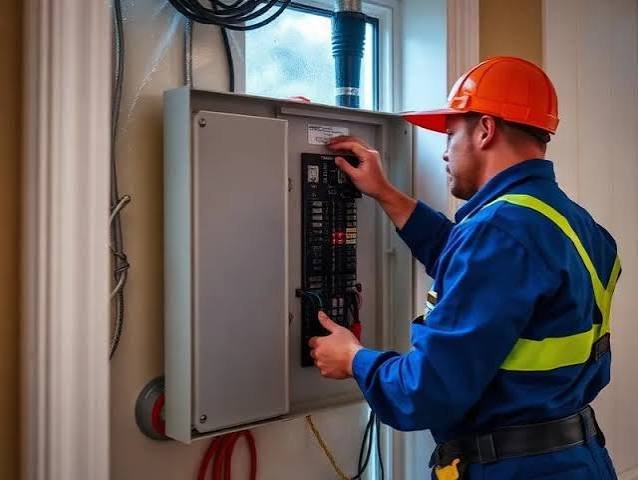
The walk-through usually takes about an hour, sometimes a bit more. We also check your main panel while we’re there. Sometimes the panel can handle a remodel, sometimes it can’t and you’ll need a panel upgrade tacked on. Better to know now than mid-job.
Step 2: Quote and a Simple Drawing
After the walk-through, you should get two things back from any decent electrician. A written quote and a basic drawing of each room being touched.
The drawing isn’t fancy. It’s not architect work. It’s just a sketch showing where every outlet, switch, light, and fixture is gonna go. That way nobody’s confused when the wire is being pulled.
The quote should break down the materials, the labor, the permit fee, and the inspection cost. It should also tell you the brand of wire and devices going in. Not generic terms. Actual names.
Here’s a rough idea of what remodels cost around Kyle, just the electrical part:
| Type of Remodel | Average Electrical Cost | Time to Complete |
| Bathroom remodel | $1,500 – $3,500 | 2–4 days |
| Kitchen remodel | $3,500 – $8,500 | 4–7 days |
| Whole house remodel | $8,000 – $20,000 | 2–4 weeks |
| Basement finish | $2,500 – $6,500 | 3–6 days |
| Garage conversion (to living space) | $2,000 – $5,000 | 2–5 days |
If you’re shopping for an affordable electrical remodeling contractor in Kyle, TX, aim somewhere in the middle of those ranges. The really low quotes usually mean someone’s skipping the permit or using cheap parts. Both will bite you eventually.
Step 3: Permits. Yeah, You Need One
Real talk: any remodel that adds new circuits or new wiring needs a permit from the City of Kyle. Doesn’t matter if it’s just a bathroom. The permit is the law and it’s also the only thing that protects you if something goes wrong years later.
A good electrician pulls the permit for you. You don’t have to mess with it. They send the drawing in, pay the fee (usually somewhere between $75 and $300 depending on the size), and schedule the inspector to come out at the right times.
Anyone who tells you “we don’t need a permit for this” is either lazy, dodgy, or both. Just walk away. The work won’t pass any future home inspection if you ever sell, and your insurance might deny a claim if a problem starts in unpermitted wiring.
Step 4: Rough-In Day
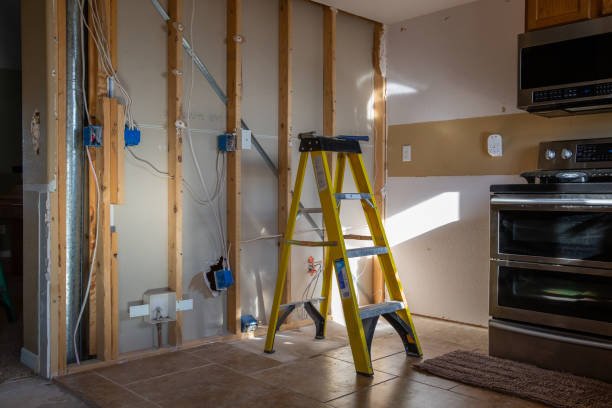
This is the big one. The walls are open, the framing is up, and now we come in and pull all the new wire. Outlets, switches, lights, fans, whatever you’re putting in. The boxes go up first, set at the right depth so they sit flush with the drywall later. Then the wires get pulled and labeled.
Rough-in matters more than anything else in the project. Once the drywall is closed up, every mistake becomes a real pain to fix. So we double-check every box. Sometimes triple-check. We also take photos of every wall before the drywall goes up, just so we have a record of where everything is.
Kitchens take about 2 to 3 days of rough-in work. Whole-house remodels can take a week, sometimes more. We have to time it with the framers, the plumber, and the HVAC guys so nobody’s blocking anybody.
Step 5: Rough Inspection
After the rough-in is done but before the drywall goes up, the city inspector comes out. They check that the wire is the right size for the breaker, that the boxes are at proper height, the grounds are tight, and everything meets code.
This has to pass before the walls can close. We try to be there when the inspector shows up, just so we can answer questions and tweak anything they want changed. Most rough inspections in Kyle take 30 to 45 minutes.
Don’t worry if it fails the first time. Happens. Usually it’s something small like a missing staple or a box that needs to scoot over half an inch. Fix it, schedule a re-check, done in a day or two.
Step 6: Drywall, Then Trim-Out
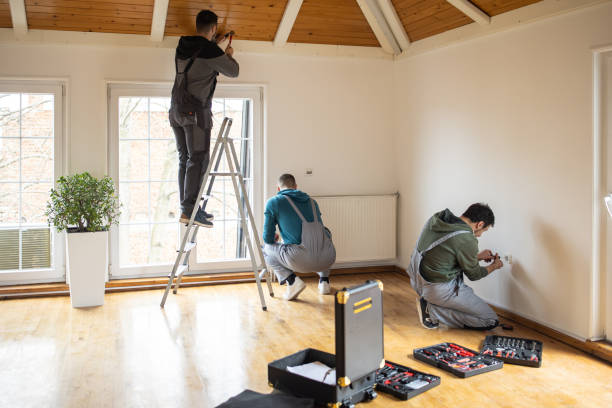
Once the inspector signs off, the drywall crew comes in and closes up the walls. After that, we come back for what’s called trim-out. This is where all the pretty stuff goes in. Outlets, switches, fixtures, fans, smoke detectors, smart devices.
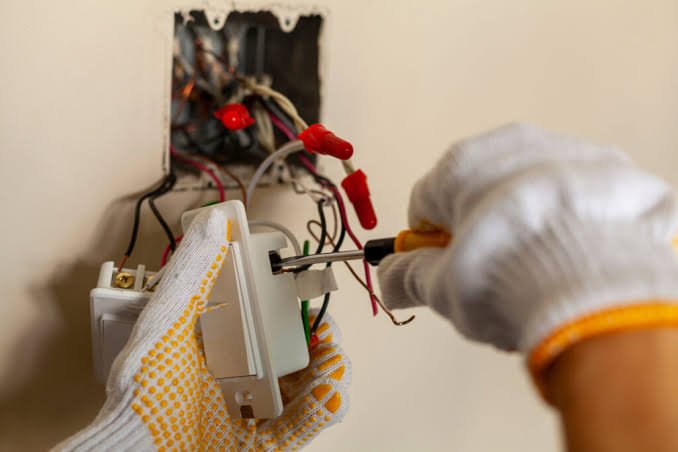
Trim-out is slower and pickier than rough-in. We match the outlet and switch colors to your design choices. We hang your light fixtures (chandeliers are always a fun two-person job). We mount your fans, install GFCI outlets in the kitchen and bathrooms, and make sure every device actually works.
Kitchens usually need 1 to 2 days of trim-out. Whole-house remodels can stretch 3 to 5 days.
Step 7: Final Inspection and the Walk
Last step. The city inspector comes back one more time to check that everything is wired correctly, all the fixtures meet code, and the panel is labeled properly. Once they sign off, your remodel is officially good to go.
Then we walk you through every room. Show you the GFCI reset buttons. Explain any smart switches we put in. Show you how to reset a tripped breaker. Hand you the warranty paperwork and the permit close-out.
For folks who want the best electrical remodel services in Kyle, TX, this last walk is where you can really tell a good contractor from a quick-buck one. The good guys take their time and answer every question without making you feel dumb for asking.
A Story From a Kyle Job
Last summer a family hired us for a kitchen and den remodel. Their wiring was old aluminum from the 80s, and the kitchen only had six outlets total. Six. For a whole kitchen. They wanted an island with pop-ups, under-cabinet lights, three pendant lights, a beverage fridge, a built-in microwave, the works.
We pulled new copper wire to 14 new outlets, added two dedicated 20-amp circuits, put in 12 recessed lights with dimmers. Took about 5 days from rough-in through trim-out. Couple months later the homeowner texted us a picture of her using three appliances at once on the island and said her cooking life had completely changed. That’s the goal really.
Conclusion
Electrical work isn’t the glamorous part of a remodel, but it’s the part that keeps your home safe and working for the next 20 plus years. Those seven steps from walk-through to final inspection might sound like a lot, but they’re what separates a clean job from a sketchy one. Find a licensed electrician who pulls permits, draws clear plans, and answers your questions like a person, not a salesman. We hope this gives you a real picture of what to expect. When you’re ready to start, give us a shout.
FAQs
Do I really need an electrician for a small remodel like one bathroom?
Yeah, even one bathroom. New GFCI outlets, a vent fan circuit, maybe a heated towel bar, and proper lighting all need a licensed electrician under Texas code. Trying to skip this part to save a few hundred bucks will catch up with you when you sell the house or, worse, when something shorts out in the wall.
How long does an electrical remodel take in Kyle?
Small jobs like a single bathroom wrap in 2 to 4 days. Kitchens usually run 4 to 7 days from rough-in to final inspection. Whole-house remodels can stretch out to 2 to 4 weeks depending on size and how fast the city inspector can come out. Weather and other trades can also push the timeline around.
Can I do some of the electrical myself to save money?
In Texas, homeowners can do basic stuff in their own home, but not the main work. Any new circuits, panel changes, or permitted work has to be done by a licensed electrician. People try to DIY and it almost always costs more when the inspector spots it later or the next buyer’s inspector flags it.
What’s the biggest mistake people make on remodels?
Skipping the planning part. Most folks don’t really think about where they want their outlets and lights until the walls are already closed. By then everything costs three times more to change. Spend an hour with the electrician on day one and walk through every room. Cheapest hour of the whole project.
Will the remodel actually raise my home value?
Usually yes, especially when the electrical work is permitted and up to current code. Inspectors love seeing a closed-out permit. Buyers love seeing modern wiring, grounded outlets, GFCI protection, and a clean labeled panel. Adds a few thousand to the resale value most of the time around Kyle.
Yeah, even one bathroom. New GFCI outlets, a vent fan circuit, maybe a heated towel bar, and proper lighting all need a licensed electrician under Texas code. Trying to skip this part to save a few hundred bucks will catch up with you when you sell the house or, worse, when something shorts out in the wall.
Small jobs like a single bathroom wrap in 2 to 4 days. Kitchens usually run 4 to 7 days from rough-in to final inspection. Whole-house remodels can stretch out to 2 to 4 weeks depending on size and how fast the city inspector can come out. Weather and other trades can also push the timeline around.
In Texas, homeowners can do basic stuff in their own home, but not the main work. Any new circuits, panel changes, or permitted work has to be done by a licensed electrician. People try to DIY and it almost always costs more when the inspector spots it later or the next buyer’s inspector flags it.
Skipping the planning part. Most folks don’t really think about where they want their outlets and lights until the walls are already closed. By then everything costs three times more to change. Spend an hour with the electrician on day one and walk through every room. Cheapest hour of the whole project.
Usually yes, especially when the electrical work is permitted and up to current code. Inspectors love seeing a closed-out permit. Buyers love seeing modern wiring, grounded outlets, GFCI protection, and a clean labeled panel. Adds a few thousand to the resale value most of the time around Kyle.